

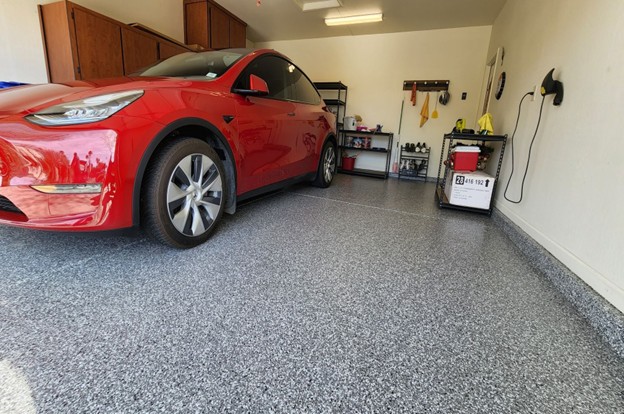
Concrete surfaces handle pressure well at first, but they slowly collect damage from dust and moisture daily. Small cracks spread wider when heavy vehicles or equipment stay parked repeatedly over the same spots. Many property owners now install concrete coatings because untreated floors absorb stains very quickly underneath. Surface wear becomes more visible around garages where chemical spills happen almost every week. Cleaning rough concrete also takes extra effort after dirt settles deep inside the material permanently.
Surface Preparation Changes The Final Coating Performance
People often purchase quality products but forget how important surface preparation actually remains before installation begins. Loose particles, trapped oil, and old paint layers stop coatings from bonding correctly with concrete surfaces. Grinding the floor helps open pores properly so materials attach more evenly afterward. A durable garage floor coating normally depends on preparation quality more than expensive finishing products sometimes. Moisture testing also matters because hidden dampness underneath weakens adhesion after several months of regular usage indoors.
Different Coating Types Work Better for Different Spaces.
Not every floor needs the same coating thickness or material combination for practical, long-term usage. Some garages experience light vehicle movement, while workshops deal with constant traffic and tool impact daily. Thin acrylic systems may work inside smaller residential areas with limited stress exposure regularly. Stronger concrete coatings usually perform better in commercial spaces where heavy machinery creates pressure across large sections. Property owners should compare maintenance needs carefully before choosing any flooring solution available locally.
Garage Spaces Collect More Damage Than Indoor Rooms Usually
Garage surfaces face conditions that ordinary indoor floors rarely experience during normal household activity throughout the year. Hot tires, oil leaks, moisture, and falling tools slowly weaken concrete without proper protection layers installed. A quality garage floor coating helps reduce stain absorption and makes cleaning routines easier afterward. Dust buildup also decreases because sealed surfaces release fewer loose concrete particles into the surrounding air. That matters more in enclosed garages where ventilation already feels limited during humid weather conditions.
Texture and Finish Affect Safety Inside Working Areas
Many people choose glossy finishes only because polished floors look brighter and visually cleaner afterward indoors. Appearance matters, though surface texture also affects walking safety during wet or dusty working conditions daily. Slip-resistant additives get mixed into some concrete coatings for extra traction around busy garage environments regularly. Matte finishes sometimes hide dirt better, while textured layers improve grip around equipment storage sections. The right finish depends heavily on how the floor gets used every single week.
Maintenance Becomes Less Stressful With Sealed Surfaces
Bare concrete traps dirt deeply because the material contains tiny openings across the entire surface naturally underneath. Mopping alone rarely removes stubborn marks once oil or grease settles inside those porous sections permanently. Properly installed garage floor coating systems keep most debris above the sealed protective layer instead. Regular sweeping and mild cleaning products usually handle everyday maintenance without creating extra complications afterward. Sharp impacts should still get avoided because repeated pressure eventually damages nearly all flooring surfaces over time.
Weather Conditions Sometimes Shorten Coating Lifespan Unexpectedly
Temperature changes affect concrete more than many people realize during seasonal shifts throughout different parts of the year. Moisture expands underneath surfaces and slowly creates pressure below weak flooring layers installed incorrectly beforehand. Reliable concrete coatings normally include materials designed for changing environmental conditions and daily wear exposure. Professional installers often recommend waiting periods before vehicle traffic starts again after installation finishes completely. Rushing the process creates avoidable problems later, especially around garages with constant heavy movement every day.
Conclusion
Floor protection systems help reduce maintenance problems while improving durability inside residential and commercial garage spaces today. Marvelousepoxyflooring.com provides practical information about flooring upgrades that match different property conditions without making the process confusing. A properly installed garage floor coating keeps surfaces cleaner and supports easier maintenance throughout changing seasonal conditions regularly. Strong concrete coatings also reduce long-term surface wear caused by chemicals, moisture, and repeated traffic pressure indoors. Property owners should review flooring options carefully before selecting materials for busy work areas.